The Patriots have had an undrafted free agent make the roster in 22 of the last 23 years. They place an emphasis on signing undrafted free agents. With the 2026 class officially signed, several prospects have a legitimate path to the 53-man roster based on positional depth and specialized skill sets.
Here is the breakdown of the 2026 Patriots UDFA class, ranked by their likelihood of making the team.
1. JonDarius Morgan, G (UAB): Morgan is arguably the “prize” of this UDFA haul. At 6-foot-4 and 320 pounds, he brings a massive frame and versatility, having split time between tackle and guard. The Patriots prize interior depth, and Morgan’s power at the point of attack gives him the highest ceiling of this group. If he shows he can handle NFL speed during camp, he’s a prime candidate to stick as a swing guard.
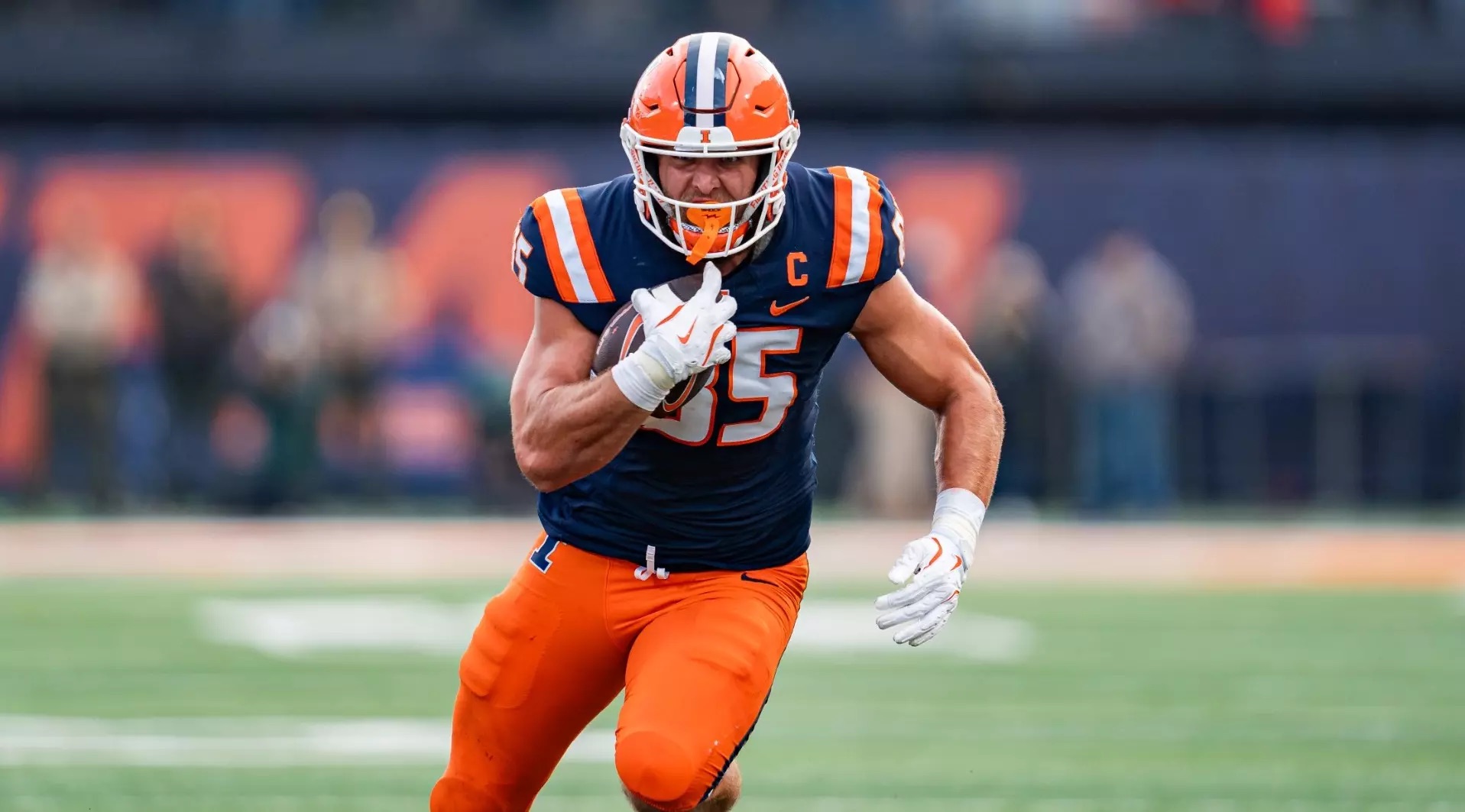
2. Tanner Arkin, TE (Illinois): The Patriots’ tight end room is often looking for a true “Y” (blocking) specialist. Arkin fits that mold perfectly at 6-foot-4 and 265 pounds. He has three years of starting experience in high-level collegiate programs and excels in inline blocking. With the modern NFL leaning back toward heavy personnel, Arkin’s ability to move defenders in the run game makes him a strong bet for a depth role.
3. Kenneth Harris, CB (Oklahoma State): Harris has the “pro ready” experience the coaching staff loves, with six years of college ball under his belt. He has the size (6-foot-1) to match up with bigger receivers and a high football IQ developed at Oklahoma State. In a cornerback room that can be volatile with injuries, a steady veteran presence like Harris is highly valuable.
4. Jimmy Kibble, WR (Georgetown): Kibble is coming off a massive 1,000-yard season. While he faces a significant jump in competition from the Patriot League to the NFL, his “downfield threat” profile is something New England desperately needs. He is a natural playmaker in contested-catch situations. If he can contribute on special teams early, he could leapfrog more established veterans.
5. Jacob Rizy, C (Florida State): Rizy is a technician. Coming from Florida State (and previously Harvard), he possesses the intelligence required to make line calls in a complex offense. New England often keeps a developmental center on the roster or practice squad, and Rizy’s 6-foot-5 frame is unique for the position, offering intriguing leverage advantages.
6. Myles Montgomery, RB (Central Florida): Montgomery is a “north-south” runner who carries his 205-pound frame with surprising power. He isn’t a burner, but he’s reliable in short-yardage situations and showed pass-catching chops at UCF. His path to the roster likely depends on his ability to outperform other depth backs in pass protection and on the kick-coverage units.
7. Nick DeGennaro, WR (James Madison): DeGennaro is a high-volume producer who caught 11 touchdowns in a single season at Richmond before moving to JMU. He is a “glue guy” who knows how to get open. However, the wide receiver room is crowded, and he will need a nearly perfect preseason to avoid the practice squad.
8. Channing Canada, CB (TCU): Canada has the ideal physical traits for an outside corner but lacked elite production in college. He’s a developmental prospect who will likely be stashed on the practice squad to refine his technique while using his speed on special teams.
9. David Blay, DT (Miami): Blay is a “space eater.” While the Patriots always value defensive line depth, Blay needs to show he can offer more than just a big body. He’ll be competing against a deep veteran group, making his path to the active roster difficult.
10. Kyle Dixon, WR (Culver-Stockton): The ultimate “small-school” story. Coming from the NAIA, Dixon is the definition of a developmental flyer. His athleticism is eye-popping, but the leap in the speed of the game will be his biggest hurdle. He is a primary candidate for a “redshirt” year on the practice squad.
11. Cameron Dorner, WR (North Texas): Dorner flashed big-play ability in the AAC, but he enters a training camp with at least four other UDFAs at his own position. He will need to distinguish himself as a returner or a standout gunner to survive the final cuts.